
What happens when parents can no longer care for their adult child with disabilities?
ohana communities is creating a safe, lasting neighborhood where adults with developmental disabilities and their aging parents can plan the future together.
this is one of utah’s most vulnerable communities, won’t you help support them?
“verily I say unto you, Inasmuch as ye have done it unto one of the least of these my brethren, ye have done it unto me” matthew 25:40
fOR THE FIRST TIME IN 35 YEARS, sharon LET kim WALK AWAY ON HER OWN
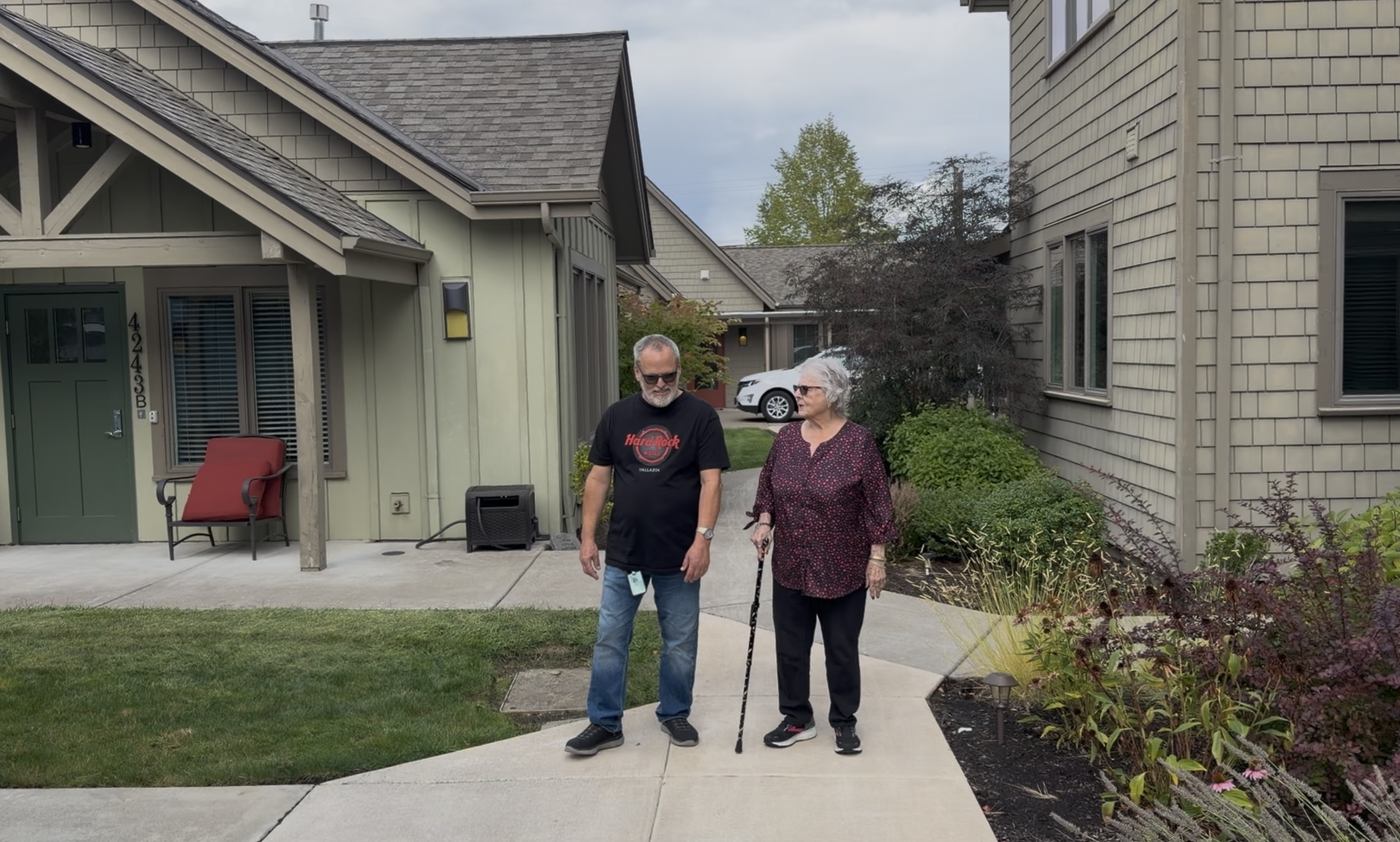
Because in this community, everyone knew Kim - and everyone had her back. When Sharon moved into this neighborhood with her daughter Kim, who has a developmental disability, she expected support - but not independence. One day, the founder gently encouraged Sharon to let Kim walk to the community center alone.
She did. Alone.
And for the first time in Kim’s life, greater independence was possible—because safety, familiarity, and community surrounded her.
what’s at stake for utah families
Thousands of Utah families are caring for an adult son or daughter with an intellectual or developmental disability. For many, that care is still being provided by parents who are growing older themselves.
Their biggest question isn’t simply, “Who will provide care?” It’s: “Where will my son or daughter live, who will know them, and who will make sure they still belong when I’m no longer here?”
Ohana Communities is being built to answer that question.
THE OHANA MODEL
A small, close-knit neighborhood designed so adults with developmental disabilities and the parents or caregivers who love them can live near one another—without giving up independence.
Each Ohana Community will bring together:
10–15 single-family cottage homes
One or more group homes for residents who need additional support
A shared gathering space where relationships and community happen naturally
A walkable, pocket-neighborhood design that encourages neighbors to know and look out for one another
Connection to the surrounding community, rather than separation from it
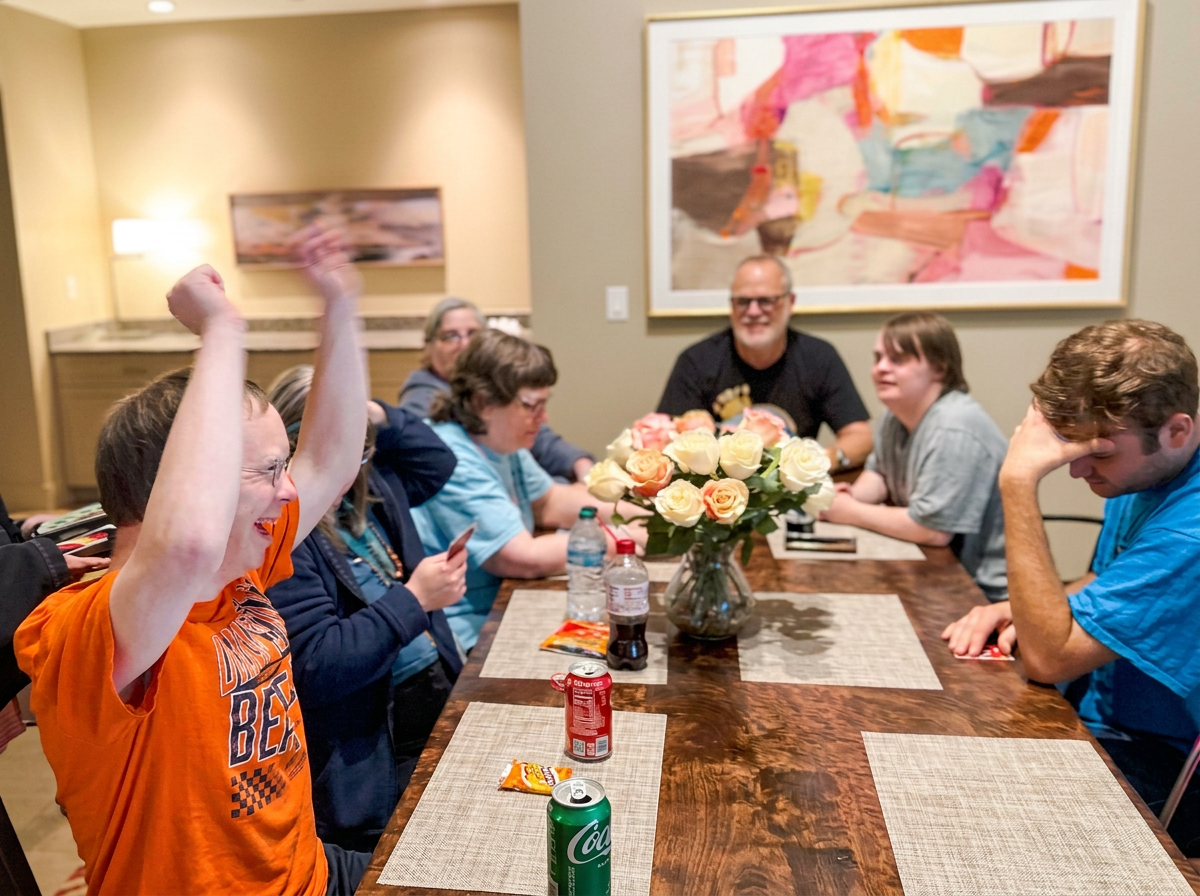
This isn’t an institution. It’s a neighborhood—one designed so support is close, independence is possible, and families can plan for the future together.
PROVEN IN OREGON. COMING TO UTAH.
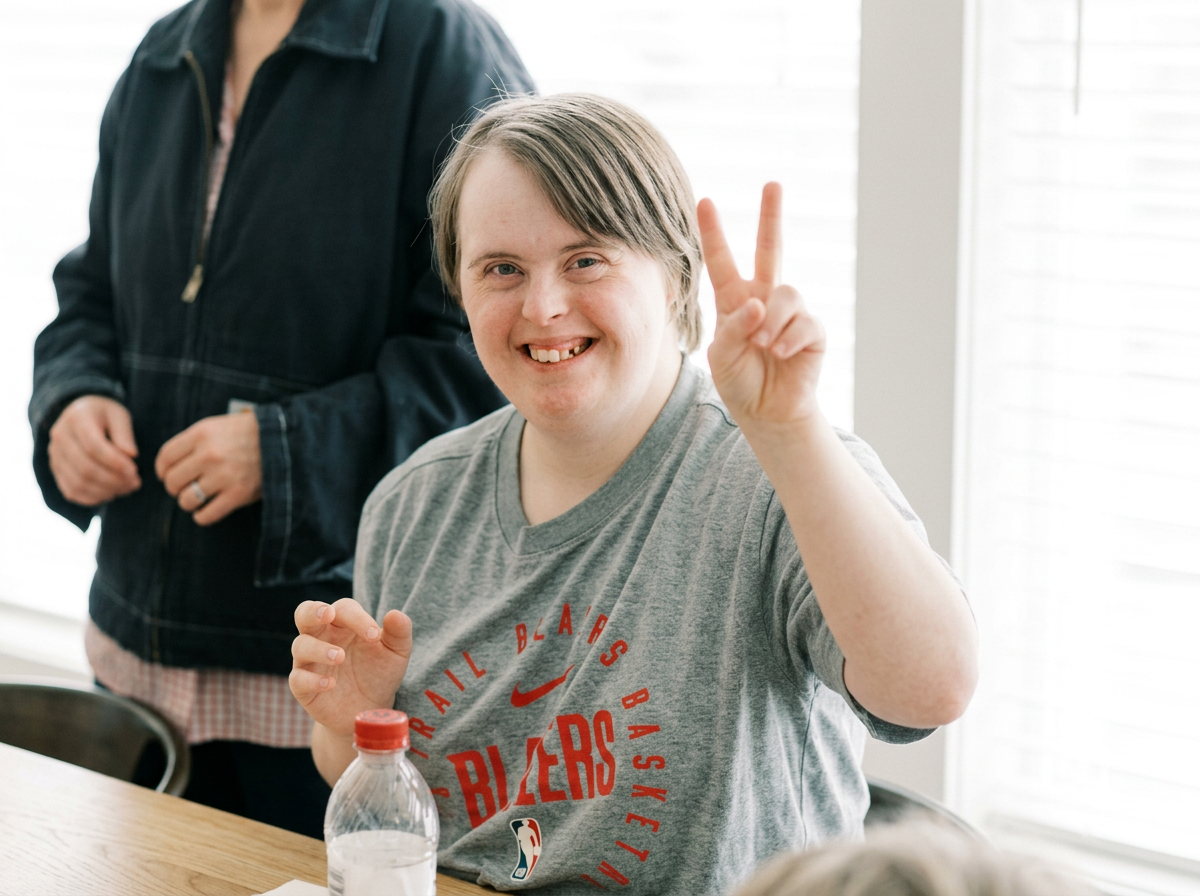
Ohana Communities isn’t starting with an untested idea.
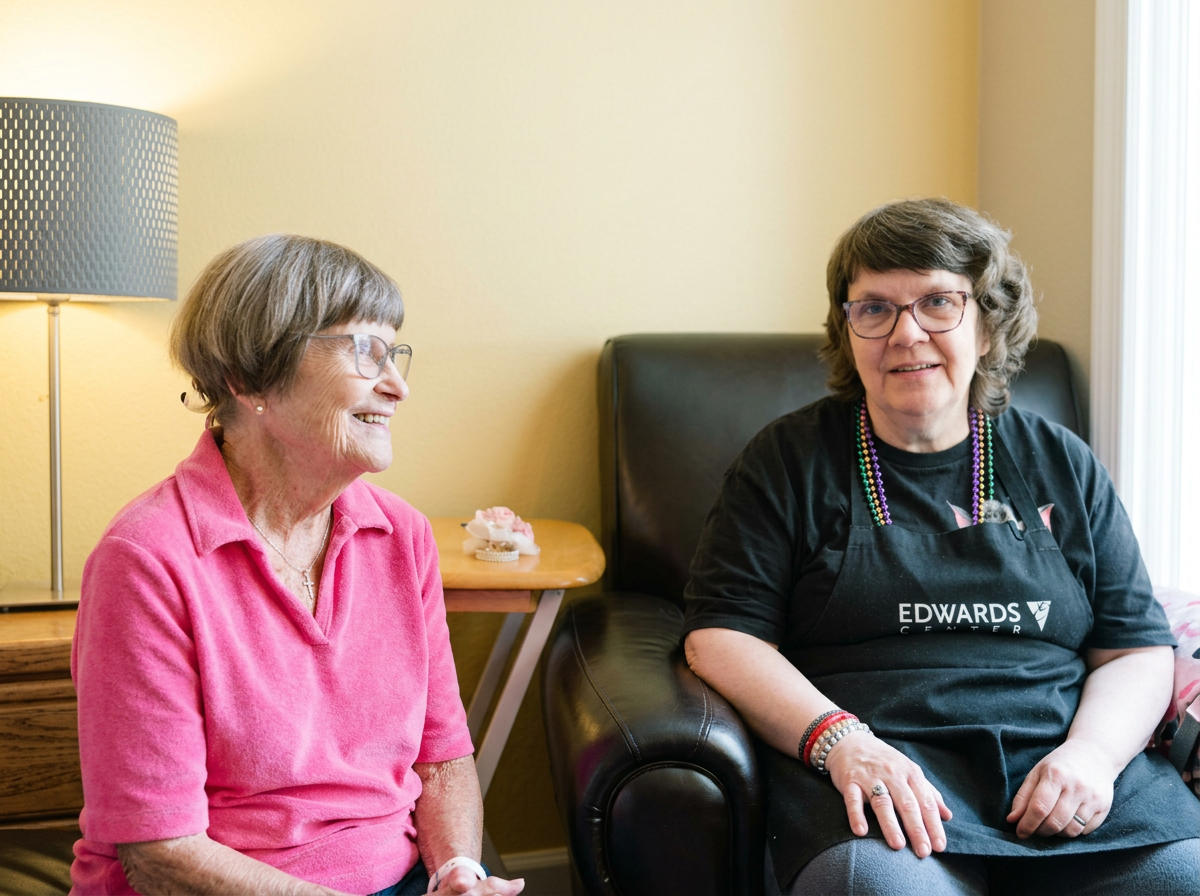
We traveled to Edwards Place in Oregon to see a pocket-neighborhood model in action—where adults with developmental disabilities can live alongside or near their parents, build relationships with neighbors, and gain independence within a community that knows them.
Edwards Place was completed in 2024 and includes families living with their adult children with disabilities, as well as adult children living independently nearby.
We saw firsthand what this model can mean for families. Now we’re working to bring that same opportunity to Utah—adapted for the families we will serve here.
THE FIRST OHANA COMMUNITY
We are now working to bring Utah's first Ohana Community to life. Our current focus is securing the right site, completing planning and design, and raising the capital needed for development and construction.
The first community is currently projected to require approximately $8–10 million in total development funding.
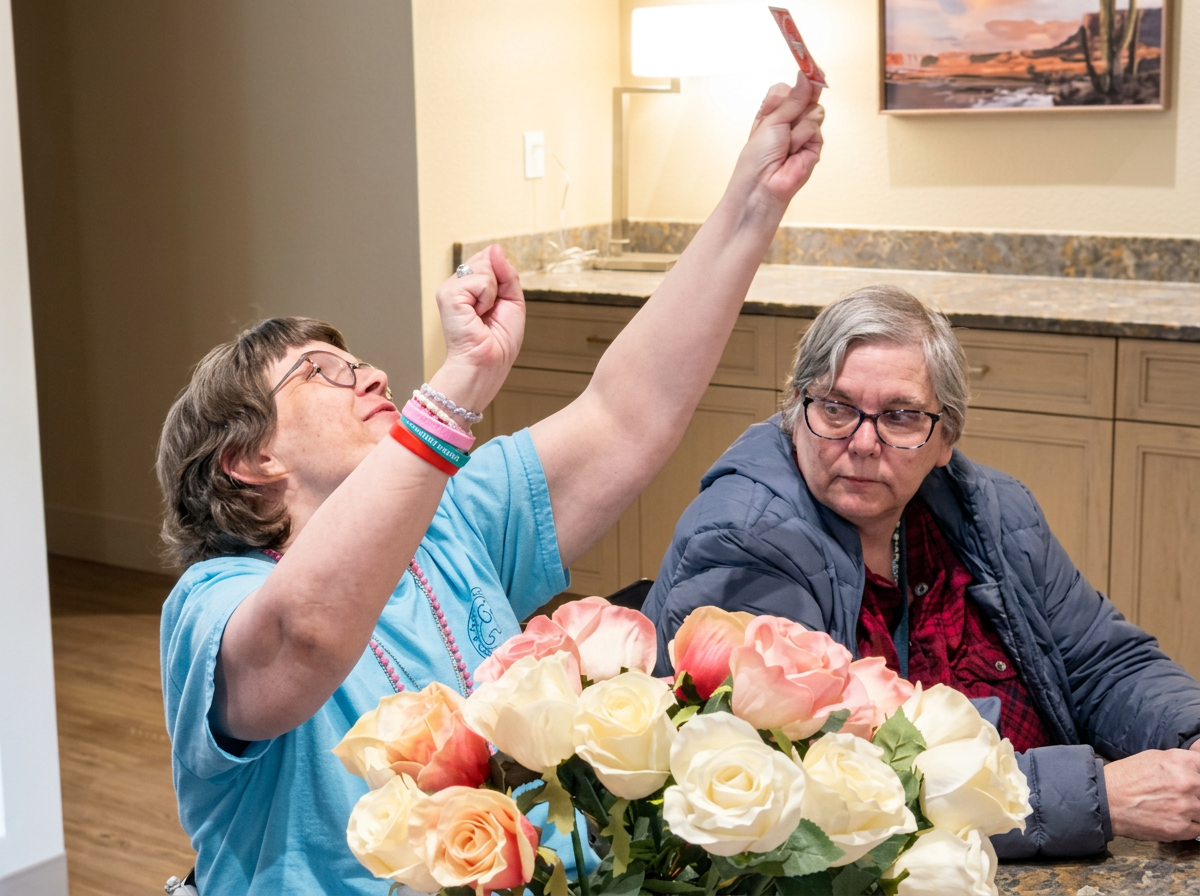
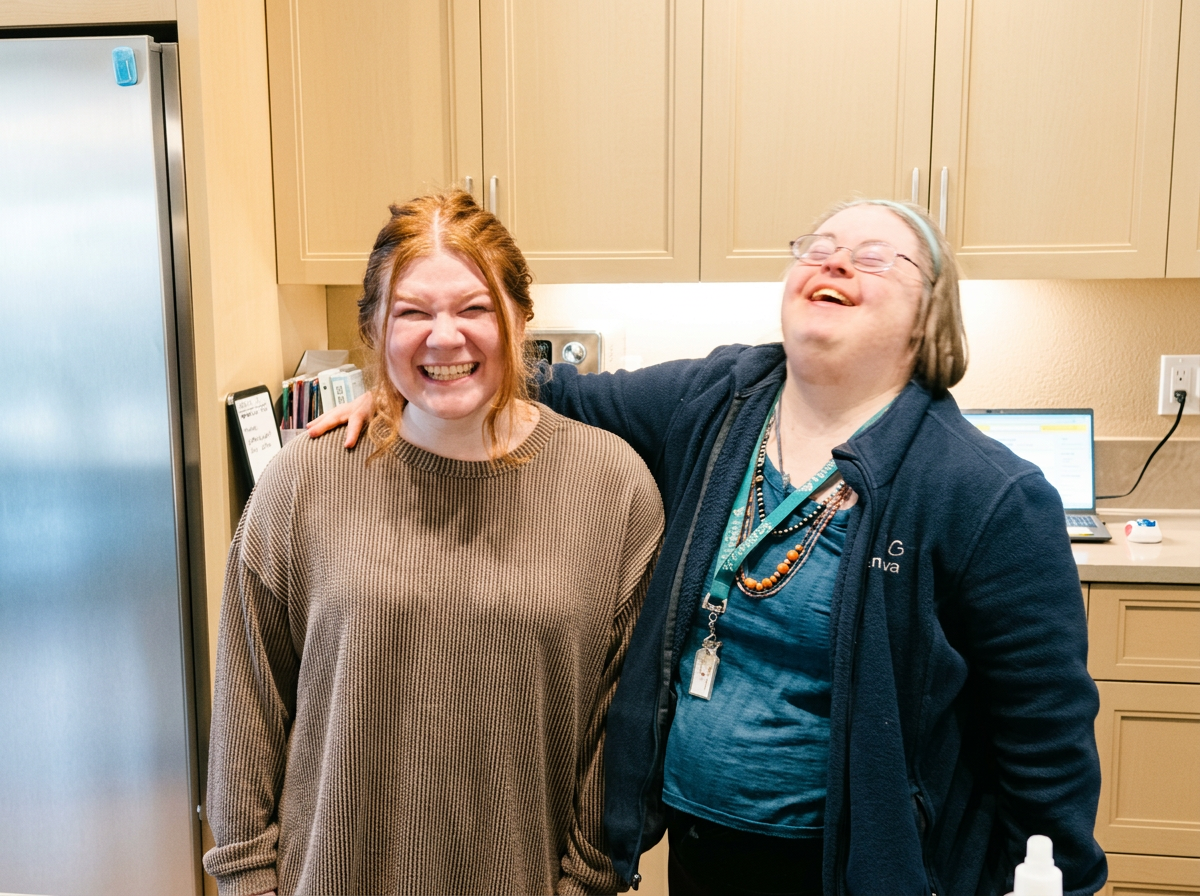
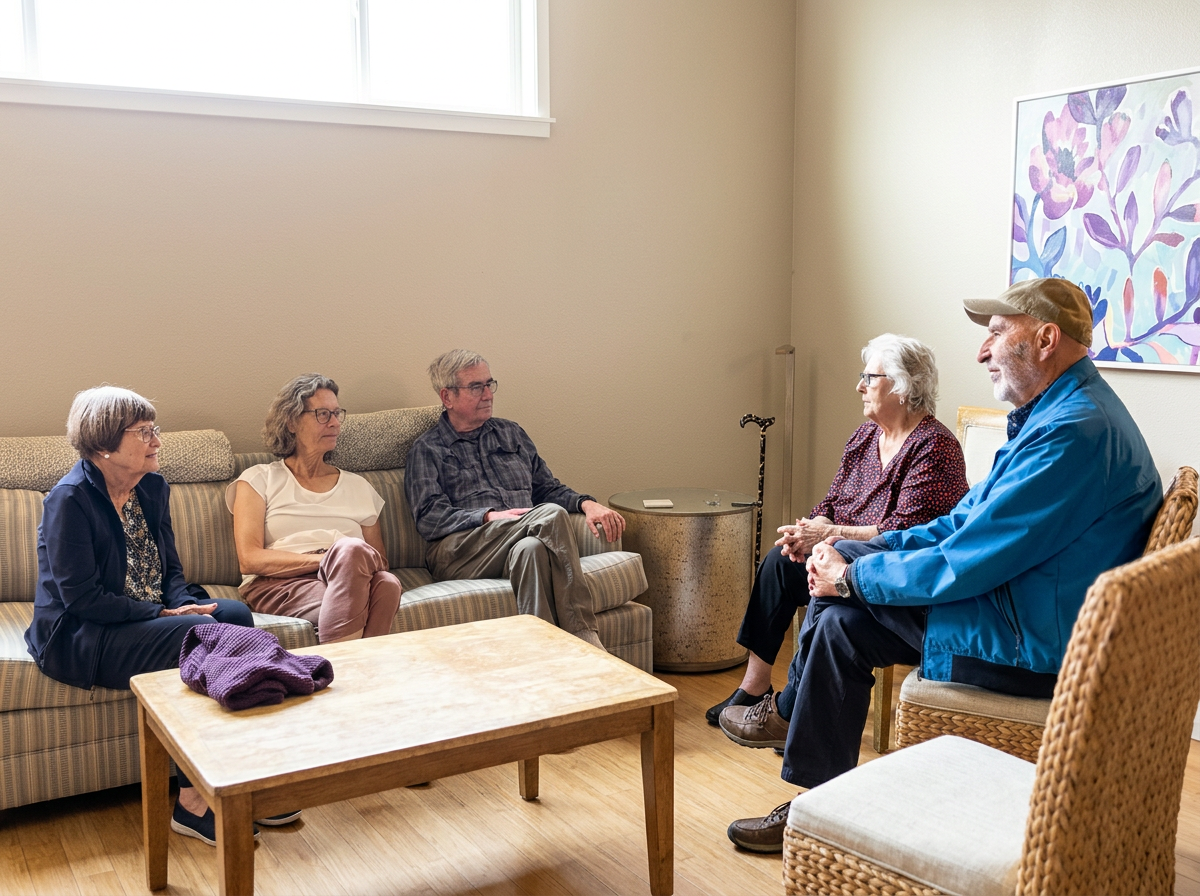

help build the first ohana community
We know this kind of community can change lives. Now we need your help to bring it to Utah.
Your gift will help us acquire land, design and build the first Ohana Community, and create a place where adults with developmental disabilities and the people who love them can build a future together.
This is more than housing. It is a long-term answer for families who have spent years wondering what comes next.